Best iPhone to Buy in 2026
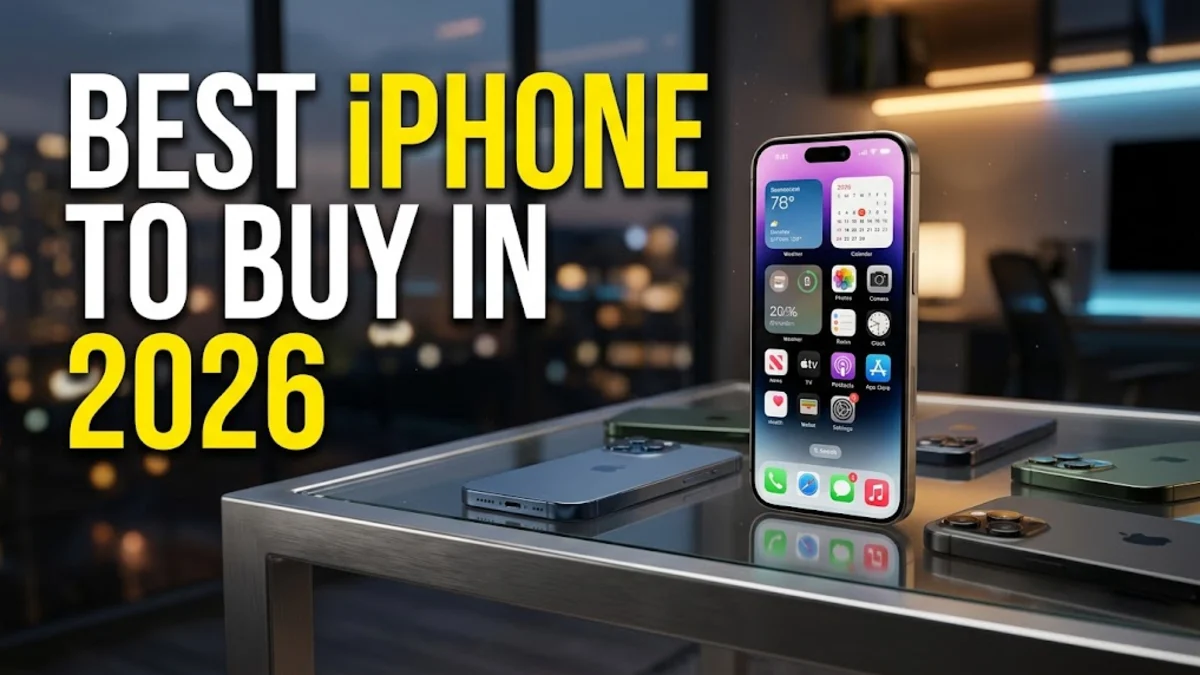
Finding the right iPhone to buy depends entirely on your personal budget, daily workflow, and feature preferences. Apple offers a diverse lineup ranging from ultra-powerful flagship devices to reliable, cost-effective options.
This guide breaks down the top iPhone models available in 2026, comparing performance, camera systems, battery life, and overall value to help you make an informed purchasing decision.
Top-Tier Performance: iPhone 17 Pro Max
If you want the absolute pinnacle of mobile technology, the iPhone 17 Pro Max stands as the definitive choice for power users, creators, and mobile gamers in 2026. Apple has packed this flagship device with its latest silicon chip, delivering unprecedented processing speeds and energy efficiency that easily handles intensive video editing, 3D gaming, and complex augmented reality tasks.
Beyond raw performance, the camera system on the Pro Max model sets a gold standard for smartphone photography and videography. You get a versatile multi-lens array featuring advanced sensor stabilization, incredible optical zoom range, and native ProRes recording capabilities. The titanium chassis provides a lightweight yet durable feel in the hand, while the ProMotion display offers buttery-smooth refresh rates up to 120Hz. For anyone who refuses to compromise on speed, display quality, or camera versatility, this device justifies its premium price tag.
The Smart All-Rounder: iPhone 17
For most everyday users looking to upgrade this year, the standard iPhone 17 delivers the ideal sweet spot between cutting-edge features and sensible pricing. Apple has trickled down several professional-grade capabilities into this base model, making it a powerful daily driver without the extra cost of the Pro tier. You receive a brilliant OLED display with high peak brightness levels, ensuring sharp visibility even under direct sunlight.
Under the hood, the modern processor handles multitasking, social media apps, and casual gaming with absolute ease. Battery efficiency has also seen a noticeable bump, easily lasting a full day of moderate-to-heavy use on a single charge. If you do not need extreme telephoto zoom lenses or professional raw video workflows, the standard iPhone 17 provides an exceptional user experience that will remain fast and supported for many years to come.
Value and Previous Generation Models
Shopping for a great smartphone does not always require buying the absolute newest release on day one. Previous-generation devices like the iPhone 16 series represent fantastic value propositions now that newer hardware has entered the market. Retailers and carriers frequently offer steep discounts, trade-in promotions, and financing deals on these slightly older models, allowing you to secure high-tier hardware at a fraction of the original launch cost.
When you purchase a recent previous-generation iPhone, you still benefit from years of upcoming iOS software updates, robust security patches, and reliable day-to-day performance. The differences in processing power between generations have become incremental for normal tasks like messaging, web browsing, and streaming. Choosing a discounted model lets you stretch your budget further while still enjoying the refined ecosystem and build quality that Apple is known for globally.
Compact and Budget-Friendly Options
Not everyone wants a massive phone that stretches their pockets and requires two-handed navigation. For users who prefer a smaller form factor and a more accessible entry price, compact options within the Apple ecosystem remain a vital consideration. These devices cater specifically to people who prioritize pocketability, lightweight construction, and straightforward functionality without sacrificing core processing reliability.
While screen real estate is smaller, you still gain full access to the App Store, seamless iCloud synchronization, and the intuitive iOS interface. Battery life on these smaller devices has also improved significantly compared to older compact phones, though heavy media consumers might still need a quick top-up by evening. If you appreciate one-handed usability and value a streamlined, minimalist smartphone experience, exploring these smaller variants is a smart strategy.
Comparing Battery Life and Charging Speeds
Battery longevity is often the deciding factor when choosing a new smartphone. Modern iPhones feature optimized power management systems, but physical battery capacities and charging speeds vary notably across the lineup. Pro Max models generally house the largest physical cells, easily outlasting smaller variants during intensive tasks like video playback and GPS navigation.
When it comes to powering back up, all current-generation models support fast wired charging alongside MagSafe and Qi2 wireless charging standards. Utilizing a high-wattage USB-C power adapter lets you juice up your device from zero to fifty percent in roughly thirty minutes. Additionally, iOS provides detailed battery health analytics under your main device settings, helping you monitor long-term degradation and manage peak performance capabilities effectively over the years.
Camera Capabilities Across the Lineup
Apple's camera lineup caters to everyone from casual snapshot takers to professional content creators. The base models feature exceptional dual-lens setups that excel in low-light conditions using advanced computational photography pipelines, capturing vivid colors and sharp details without requiring manual adjustments.
Stepping up to the Pro models introduces dedicated telephoto lenses, LiDAR scanners for enhanced augmented reality and portrait depth mapping, and advanced raw shooting formats. If you shoot a lot of video for social media, personal projects, or professional client work, the cinematic stabilization and audio mixing features on the Pro devices provide unmatched value. Matching your budget to your photography ambitions ensures you never pay for high-end features you rarely use, or conversely, find yourself limited by entry-level hardware.
Storage Capacity Considerations
Choosing the right storage tier is just as important as picking the hardware model itself, especially since modern iPhones do not support expandable microSD cards. Base storage configurations have grown more generous, but high-resolution photos, 4K video recording, offline music streaming, and large mobile games can fill up space surprisingly fast.
If you rely heavily on cloud storage services like iCloud or Google Drive, a lower storage tier can save you money upfront. However, if you prefer storing large media libraries locally, downloading massive apps, and rarely cleaning out old files, investing in the 256GB or higher storage tier is strongly recommended. Upgrading your storage capacity at purchase time prevents frustrating space warnings down the road.
The bottom line
Choosing the best iPhone comes down to balancing your specific needs with your budget. Whether you opt for the ultimate power of the Pro Max series or a reliable standard model, Apple's current lineup offers exceptional build quality and long-term software support. Evaluate your camera use, battery habits, and storage requirements before making your final choice.
Frequently asked questions
How many years of software updates do new iPhones receive?
Apple typically supports iPhones with major iOS updates and security patches for around five to seven years from their initial release date, ensuring long-term usability.
Should I buy a Pro model or a standard model?
Choose a Pro model if you need advanced telephoto zoom, professional video workflows, and a 120Hz display. Choose a standard model if you want great everyday performance and cameras at a lower price.
Is it worth buying previous-generation iPhones?
Yes, previous-generation models offer great value, often featuring steep discounts and trade-in deals while maintaining full compatibility with current iOS software versions.
How much storage should I get on my new iPhone?
If you stream most media and use cloud storage, the base storage tier is usually sufficient. If you record lots of 4K video and store large games, consider 256GB or higher.
Do new iPhones come with a charging brick in the box?
No, modern iPhones include a USB-C charging cable in the box, but you will need to purchase a compatible USB-C power adapter separately or use an existing one.