What Does Scam Stand For? Understanding Fraud Tactics
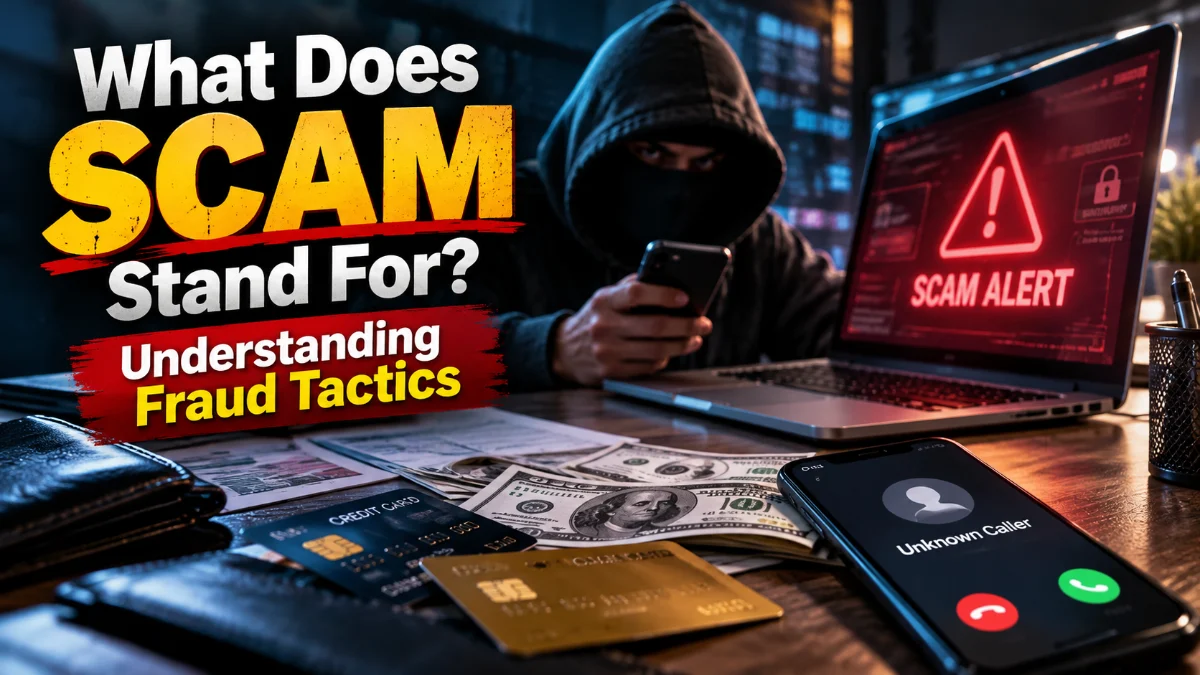
While the word scam is widely recognized as a slang term for a dishonest scheme or fraud, it is frequently treated as an acronym in cybersecurity training contexts. Understanding the structural breakdown of fraud tactics helps you identify malicious actors before they compromise your personal data, online accounts, or privacy. In digital security, recognizing the anatomy of a scam serves as your first line of defense against phishing, identity theft, and online manipulation. This guide explores the linguistic origins, psychological triggers, and core elements that define modern scams.
Is Scam an Official Acronym?
Linguistically speaking, the word scam is not an official acronym derived from a longer institutional phrase. Etymologists trace its entry into popular English lexicon during the mid-20th century, likely originating from theater or carnival slang to describe a trick or swindle. However, because security educators and law enforcement agencies often need memorable frameworks for the public, they frequently assign backronyms to the word. In various corporate and educational training programs, you might see scam broken down into concepts like Suspicious Communication And Messaging or similar pedagogical definitions. Despite these helpful training tools, the historical root remains a colloquial term for deception rather than an initialized abbreviation. Recognizing that it is a descriptive label rather than a technical acronym allows us to focus on its functional mechanics rather than its spelling.
The Core Anatomy of Every Fraud Scheme
Every successful scam relies on a universal framework designed to bypass your logical thinking and provoke an immediate emotional response. Fraudsters typically initiate contact through unsolicited channels such as emails, text messages, phone calls, or social media direct messages. They establish a fabricated sense of urgency, claiming that your account is locked, an invoice is overdue, or a legal penalty is imminent if you do not act within minutes. Once panic is induced, the scammer introduces a false solution, directing you to click a malicious link, download unverified software, or call a fraudulent support number. This structured progression ensures that victims make rapid, unverified decisions without taking time to cross-reference the claims with legitimate institutions. By understanding this predictable anatomy, you can pause whenever you feel rushed and dismantle the threat before any damage occurs.
Common Types of Digital Scams in 2026
Modern fraudsters utilize sophisticated digital channels to execute their schemes, targeting everyday internet users across the globe. Phishing campaigns remain the most prevalent threat, where attackers send deceptive communications impersonating trusted banks, streaming services, or government agencies to harvest login credentials. Another growing category involves technical support scams, where pop-up alerts on your browser claim your computer is infected with malware and urge you to call a toll-free number. Furthermore, romance and investment scams manipulate victims over extended periods, building emotional or financial trust before orchestrating a sudden monetary extraction. Recognizing these distinct categories helps you tailor your defensive posture, whether you are browsing social media, checking your email, or managing your online banking credentials.
How Scammers Exploit Human Psychology
Scammers rarely hack computer systems through brute-force technical skill; instead, they hack human psychology through social engineering. Authority bias is a primary weapon, where attackers impersonate law enforcement, bank executives, or IT administrators to command instant obedience and fear. They also leverage social proof and scarcity, convincing you that a limited-time opportunity or an urgent threat requires immediate compliance. By isolating victims and discouraging them from seeking second opinions from family members or colleagues, fraudsters create an artificial vacuum of judgment. Recognizing these psychological manipulations allows you to maintain emotional detachment when interacting with unexpected communications, keeping your personal data secure against high-pressure tactics.
Red Flags to Spot Online Fraud Instantly
Identifying a scam before it compromises your security requires vigilance and attention to specific behavioral and technical red flags. Unsolicited contact is the most reliable warning sign; legitimate organizations rarely demand sensitive passwords or immediate payment out of the blue. Another major indicator is pressure to use unconventional payment methods, such as cryptocurrency, gift cards, or wire transfers, which offer no consumer protection or chargeback options. Grammatical errors, generic greetings, and mismatching sender email addresses also expose fraudulent messages attempting to mimic professional entities. Training yourself to pause and verify these details independently transforms you into a difficult target for opportunistic cybercriminals.
Essential Steps to Protect Your Accounts
Safeguarding your digital footprint against modern fraud requires implementing robust, proactive security measures across all your devices and online profiles. Start by enabling multi-factor authentication (MFA) on every account that supports it, adding a critical barrier even if your password is compromised. Use a reputable password manager to generate and store complex, unique credentials for every service, eliminating the vulnerability of password reuse. Always navigate to official websites by typing URLs directly or using trusted bookmarks rather than clicking links embedded in unexpected emails or text messages. Maintaining updated operating systems and security software ensures that browser exploits and malware delivery attempts are blocked at the system level before they can impact your personal privacy.
The bottom line
Understanding what constitutes a scam and how fraudulent schemes operate empowers you to navigate the digital world safely. By recognizing psychological manipulation tactics and maintaining strict verification habits, you can protect your personal information and online accounts from emerging threats.
Frequently asked questions
Is scam an acronym?
No, scam is a traditional English slang word for a swindle or fraud and is not an official technical acronym.
What are the most common signs of a scam?
Common warning signs include unsolicited contact, extreme urgency, requests for unusual payment methods like gift cards, and demands for confidential login credentials.
How do scammers find personal information?
Scammers gather data through data breaches, social media oversharing, public directories, and automated phishing campaigns designed to harvest user input.
What should I do if I fall for a scam?
Immediately change your compromised passwords, contact your bank or financial institution to freeze accounts, and report the incident to relevant cybercrime authorities.
Are digital scams increasing in frequency?
Yes, automated tools and artificial intelligence have enabled fraudsters to launch more convincing and frequent phishing campaigns across global networks.