Google Pixel vs Samsung S26 Ultra: Which Flagship Wins?
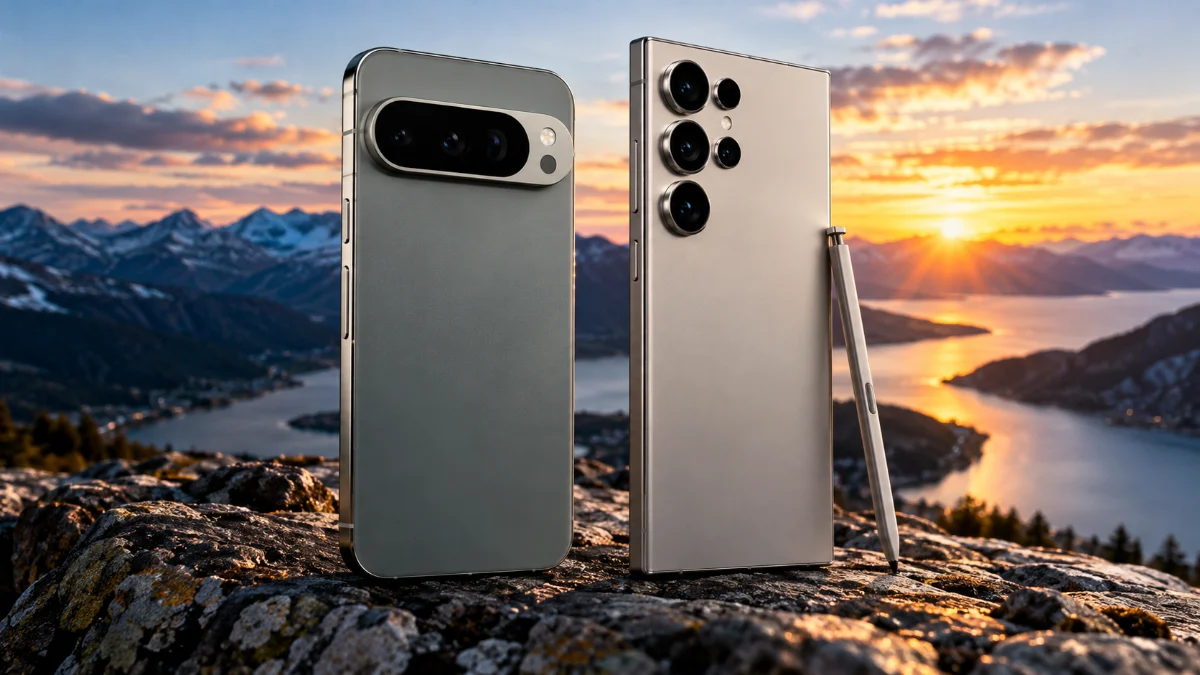
When searching for the ultimate Android flagship device, choosing between a Google Pixel and the Samsung S26 Ultra represents the peak of modern smartphone engineering. Both devices offer top-tier specifications, premium build quality, and advanced artificial intelligence capabilities, but they cater to very different types of users. Understanding how these two heavyweights stack up against each other will help you decide which device deserves a spot in your pocket.
Design and Display Comparison
The physical design and display technology of a smartphone dictate your daily interaction with the device. The Samsung S26 Ultra leans into a bold, productivity-focused aesthetic with flat edges, sharp corners, and an integrated S Pen slot, making it a modern spiritual successor to the Galaxy Note series. It features a massive, ultra-bright AMOLED panel with exceptional anti-reflective glass that makes outdoor viewing effortless even in direct sunlight. On the other hand, Google Pixel flagships embrace a softer, more rounded form factor with a distinctive camera visor bar across the back. The Pixel display offers vibrant, true-to-life color calibration and smooth adaptive refresh rates, though it lacks the sheer panel acreage and embedded stylus of its Samsung rival. If you prefer a sturdy device built for multitasking and note-taking, Samsung's hardware design leads the way. If you prefer ergonomics that sit comfortably in one hand without sharp corners digging into your palm, Google's approach is more inviting.
Performance and Hardware Power
Under the hood, both handsets pack immense processing power, but they approach performance from different angles. The Samsung S26 Ultra runs on the latest Qualcomm Snapdragon flagship processor paired with generous RAM configurations, ensuring that heavy 3D gaming, split-screen multitasking, and demanding creative workflows operate without a stutter. Samsung also includes advanced vapor chamber cooling to sustain high performance during extended gaming sessions. Meanwhile, Google Pixels utilize custom Tensor silicon designed specifically to supercharge machine learning tasks, voice dictation, real-time translation, and computational photography. While benchmark scores often favor the Snapdragon chip in raw graphical crunch, the Tensor processor optimizes everyday tasks and predictive intelligence in a way that feels remarkably fluid. Choosing between them depends on whether you prioritize raw gaming horsepower or deeply integrated AI responsiveness for daily productivity.
Camera Capabilities and Photography Features
Photography remains one of the most critical battlegrounds in the smartphone industry. The Google Pixel is legendary for its computational photography prowess, delivering natural skin tones, incredible low-light performance through Night Sight, and effortless point-and-shoot reliability. You rarely have to fiddle with manual settings to get a breathtaking portrait or landscape shot on a Pixel. Conversely, the Samsung S26 Ultra offers a versatile multi-lens camera array equipped with a massive primary sensor and multiple telephoto lenses that provide astonishing optical zoom clarity. Whether you need to capture a macro shot of a flower or zoom in on a distant stage, Samsung's hardware flexibility is unmatched. Additionally, Samsung provides professional-grade manual controls and robust RAW image shooting formats for enthusiasts who love editing their photos later. If you want instant, shareable perfection with minimal effort, go with Google. If you want optical versatility and pro controls, go with Samsung.
Software Experience and Ecosystem
The software interface shapes your entire user experience. Samsung ships the S26 Ultra with One UI, a deeply feature-rich interface packed with customization options, floating windows, multi-window modes, and Samsung DeX, which turns your phone into a desktop computer when plugged into an external monitor. It does come with some pre-installed duplicate apps, but the sheer depth of control is unmatched. Google Pixel offers a clean, stock Android experience free from bloatware, featuring Material You dynamic theming and direct integration with Google services. Google also promises extended software support with major OS upgrades and monthly security patches delivered on day one. If you enjoy tweaking every aspect of your phone and utilizing desktop-like productivity features, Samsung is the clear winner. If you value a clean, distraction-free interface with the fastest software updates, Google takes the crown.
Battery Life and Charging Speeds
Reliable battery endurance is essential for modern power users. The Samsung S26 Ultra packs a high-capacity battery optimized by efficient display panels and aggressive background app management, easily pushing through a full day of heavy use with hours of screen-on time to spare. Furthermore, Samsung supports faster wired charging speeds that can replenish a significant percentage of the battery in under half an hour, alongside dependable wireless charging. Google Pixel devices offer solid all-day battery life that adapts to your usage patterns using machine learning, learning which apps you use least to conserve power. However, Pixel charging speeds tend to be more conservative compared to Samsung's rapid replenishment technology. For users who need rapid top-ups during a busy workday and maximum endurance during travel, Samsung holds a slight advantage in battery versatility.
Pricing and Value Proposition
Investment value is a major factor when purchasing a premium flagship smartphone. The Samsung S26 Ultra commands a top-tier price tag, reflecting its inclusion of an S Pen, massive storage base tiers, and versatile quad-camera system. However, Samsung frequently offers aggressive trade-in deals, bundle discounts, and promotional credits that soften the financial blow. Google Pixel flagships generally launch at a slightly lower starting price point while offering similar longevity in software support and hardware build quality. When considering long-term value, you must weigh what features matter most to your workflow. If you will actively use the S Pen, the zoom cameras, and Samsung DeX, the high price is easily justified. If you prefer a streamlined experience, superior everyday photography, and a lower entry cost, the Pixel provides exceptional value for money.
The bottom line
Ultimately, the choice between the Google Pixel and the Samsung S26 Ultra comes down to your personal priorities. Choose Samsung if you want ultimate hardware versatility, an integrated S Pen, unmatched zoom photography, and powerful productivity software like DeX. Choose Google if you value pure Android simplicity, intelligent AI integration, and effortless point-and-shoot photography.
Frequently asked questions
Which phone has a better camera for daily snapshots?
The Google Pixel generally offers better point-and-shoot reliability with superior computational photography for everyday snapshots and human skin tones.
Does the Google Pixel come with a stylus like the Samsung S26 Ultra?
No, only the Samsung S26 Ultra includes a built-in S Pen stylus for note-taking and precise screen navigation.
Which device receives software updates faster?
Google Pixel devices receive major Android operating system updates and security patches directly from Google on day one.
Can I use Samsung DeX on a Google Pixel?
No, Samsung DeX is an exclusive software feature built into Samsung Galaxy flagship devices to provide a desktop computing experience.
Which phone offers better battery charging speeds?
The Samsung S26 Ultra supports faster wired charging speeds compared to Google Pixel devices, allowing for quicker top-ups.