عربي
Android

How to Fix Samsung Galaxy Black Screen
How to Fix Samsung Galaxy Black Screen

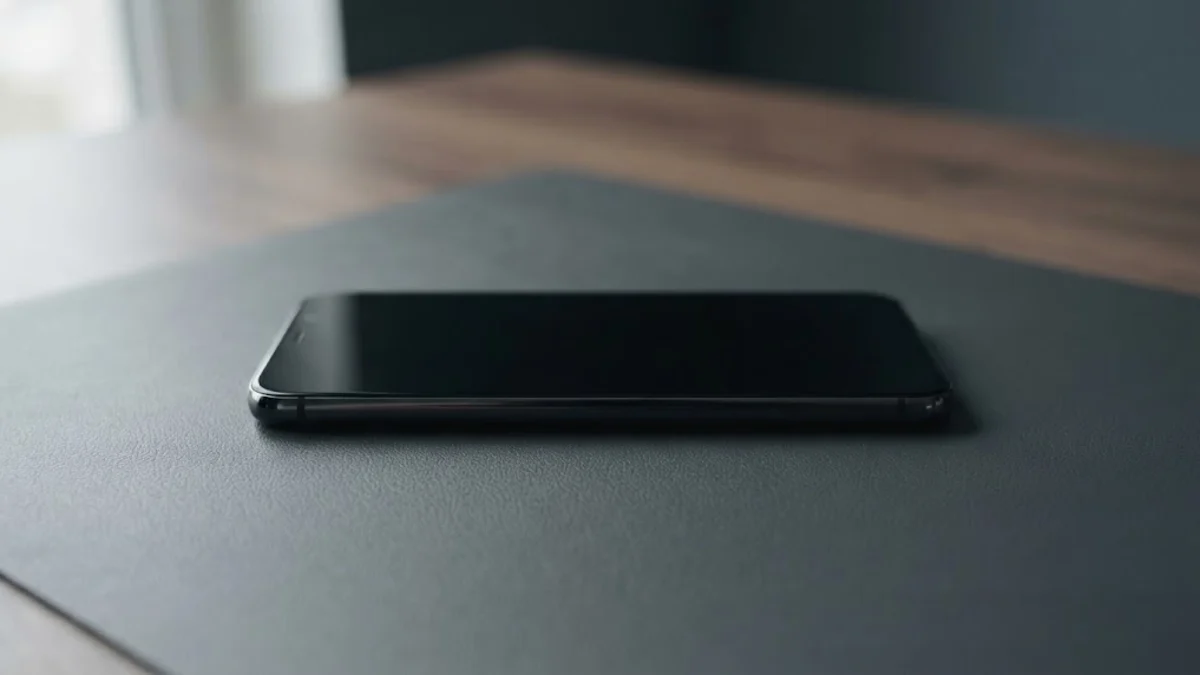
Encountering a black screen on your Samsung Galaxy can be stressful, especially when the phone vibrates or rings but refuses to display anything. Fortunately, this issue is frequently caused by a software glitch or a frozen system rather than permanent hardware damage.

By following a structured troubleshooting approach, you can systematically diagnose whether the problem stems from a frozen display driver, a drained battery, or a corrupt application, and restore your phone to full working order.

Force Restart Your Samsung Galaxy

A frozen operating system is one of the most common reasons your screen stays black while the internal components are still powered on. When the system UI crashes completely, the display fails to initialize, leaving you with a blank panel. By performing a forced restart, you cut power to the motherboard momentarily, allowing the system to boot fresh from scratch. To do this, press and hold both the Power button and the Volume Down button simultaneously for at least 15 to 30 seconds. Do not let go until you feel a vibration and see the Samsung logo appear on the screen. If nothing happens on your first attempt, plug the phone into a wall charger for ten minutes before trying the button combination again, as a completely drained battery can prevent the restart command from registering. Make sure you hold the buttons down firmly and steadily without releasing them prematurely, since a quick tap will only turn the screen on normally, which will not work if the display driver is locked up.

Charge Your Phone and Check the Cable

Sometimes a black screen is simply the result of a deeply depleted battery that lacks enough juice to turn on the backlight or display panel. When lithium-ion batteries drop below a critical voltage threshold, the phone may refuse to show the charging icon immediately when plugged in. Connect your Samsung Galaxy to a certified wall charger using an original or high-quality cable, and leave it undisturbed for at least thirty minutes. Avoid using a computer USB port, as they supply significantly less power and can prolong the diagnostic process. While the phone is charging, inspect the USB-C port for accumulated lint, dust, or pocket debris that might obstruct the connection pins. If you spot any debris, gently clean the port using a wooden toothpick, taking extreme care not to bend the delicate central connector. Once the phone has charged for a while, try turning it on again or performing a forced restart to see if the display responds to the restored power level.

Boot Into Safe Mode to Check Third-Party Apps

A malfunctioning third-party application downloaded from the Google Play Store can trigger a system crash that results in a persistent black screen during startup or normal use. To rule out software interference, you should boot your Samsung Galaxy into Safe Mode, which temporarily disables all downloaded apps and runs only the core system software. To enter Safe Mode, turn your phone completely off if possible, then press and hold the Power button until the Samsung logo appears. Immediately after the logo appears, press and hold the Volume Down button and keep holding it until the phone finishes booting up. You will see a Safe Mode watermark displayed in the bottom-left corner of the screen. If your phone works normally in Safe Mode, a recently installed app is causing the conflict. Navigate to Settings > Apps, locate any suspicious or recently added applications, and uninstall them one by one until the problem disappears.

Clear the Cache Partition via Recovery Mode

Corrupted system cache files left over from software updates can cause display failures, boot loops, and black screen errors on your Galaxy device. Clearing the cache partition deletes these temporary system files without touching your personal photos, messages, or downloaded apps. To access Recovery Mode, turn your phone off completely, then connect it to a computer using a USB-C cable. Press and hold both the Power button and the Volume Up button simultaneously until the Android recovery menu appears on the display. Use the Volume Down button to highlight Wipe cache partition, and press the Power button to select it. Confirm your choice by selecting Yes when prompted on the screen. Once the cache wipe is complete, highlight Reboot system now and press the Power button. This process refreshes the temporary system data and often resolves stubborn display glitches instantly without requiring data loss.

Perform a Factory Reset as a Last Resort

If all software troubleshooting methods fail and your Samsung Galaxy remains trapped on a black screen, a deeper system corruption may require a factory reset. Keep in mind that a factory reset will erase all local data, settings, and files that have not been backed up to your Google account or Samsung Cloud. To perform a master reset through Recovery Mode, turn the phone off, connect it to a computer via cable, and hold the Power and Volume Up buttons until the recovery menu appears. Use the Volume Down button to navigate to Wipe data / factory reset, and press the Power button to select it. Choose Factory data reset on the next screen and confirm the action. Allow the phone several minutes to complete the formatting and reinstall the clean operating system. Once finished, select Reboot system now and set up your device from your cloud backup.

The bottom line

Fixing a black screen on your Samsung Galaxy usually comes down to isolating whether the issue stems from a frozen system UI, a depleted battery, or a corrupt third-party app. By following these structured troubleshooting steps, from forced restarts to clearing cache partitions, you can safely restore your display and get your phone working normally again.

Frequently asked questions

Why is my Samsung Galaxy screen black even though the phone is ringing?

This usually means the operating system and internal components are working, but the display driver or screen backlight has frozen. A forced restart or charging the phone typically resolves this issue.

Can a cracked screen cause a black display?

Yes, physical damage to the internal OLED or LCD panel can cause the screen to go completely black even if the outer glass looks intact. If dropping the phone preceded the issue, hardware repair is likely required.

Will clearing the cache partition delete my photos?

No, wiping the cache partition only removes temporary system files and app caches. Your personal photos, contacts, messages, and downloaded applications remain completely safe.

How do I know if my battery is causing the black screen?

If your phone does not vibrate, show an LED light, or respond to button presses, and the screen remains dark even after being plugged into a certified charger for an hour, a dead battery or charging port failure may be the culprit.

What should I do if none of these fixes work?

If software troubleshooting and factory resets fail to bring back the display, the problem is likely a hardware failure in the screen assembly. Take your phone to an authorized Samsung service center for professional diagnosis.