Scam Text or Wrong Number? How to Tell
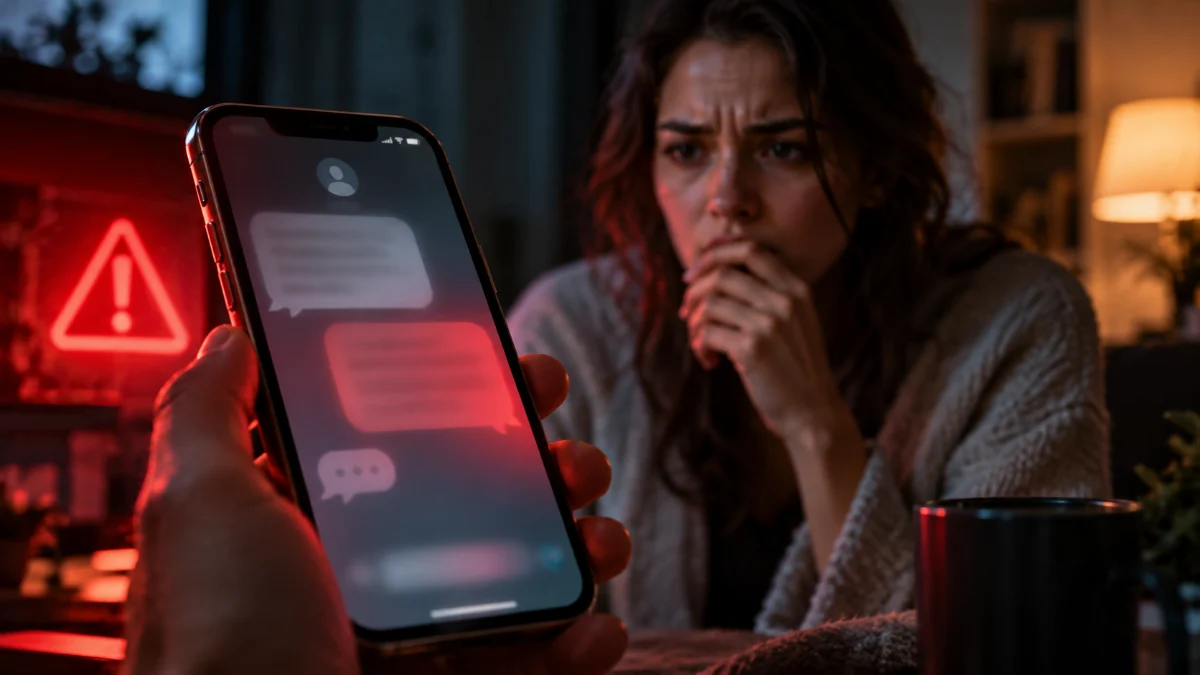
If you receive a casual, polite text from an unfamiliar phone number asking for someone else or referencing plans you never made, it is almost certainly a scam rather than an innocent mistake. Known across cybersecurity circles as conversational smishing or the wrong number scam, these messages are deliberate bait designed to exploit your natural instinct to be helpful.
While an accidental misdial or typographical error can still happen, modern automated dialing operations send millions of these opening texts daily. Recognizing the subtle psychological hooks behind them prevents financial loss, keeps your mobile number off active target lists, and protects your personal privacy.
How the Wrong Number Text Scam Operates
The wrong number scam begins with a seemingly harmless conversational message sent via SMS, WhatsApp, or Telegram. Unlike traditional phishing texts that feature alarming notices about frozen bank accounts or missing delivery packages with suspicious links, these opening lines appear human and unthreatening. Common scripts include asking if you are arriving for a tennis lesson, confirming a business dinner reservation, or greeting someone named Sarah, Michael, or David.
The goal is to provoke a polite correction such as "Sorry, you have the wrong number." Once you reply, the fraudster immediately validates two critical pieces of intelligence: your phone number is active, and a real human is monitoring it. Instead of apologizing and ending the conversation, the sender usually replies with compliments, comments on fate, or shares an attractive portrait, steering the interaction toward casual small talk. Over days or weeks, this evolves into high-stakes romance fraud, fake cryptocurrency schemes, or deceptive investment platforms.
Scam Text vs Genuine Mistake: Key Differences
Telling the difference between an honest typing blunder and an orchestrated scam comes down to tone, persistence, and how the sender reacts when you clarify that they reached the wrong recipient. Genuine callers are usually embarrassed or brief, while scammers actively fight to keep the conversation alive.
| Indicator | Genuine Wrong Number | Wrong Number Scam |
|---|---|---|
| Opening Content | Specific, practical (e.g., "I left the garage keys on the counter") | Vague, charming, or affluent (e.g., golf outings, luxury travel, polite greetings) |
| Reaction to Correction | Quick apology ("Sorry about that!") or immediate silence | Excessive flattery, philosophy on fate, or pivot to personal questions |
| Follow-up Messages | None | Unsolicited photos, invitations to chat on WhatsApp, investment mentions |
| Area Code | Often matches local or regional patterns | Frequently spoofed VoIP numbers, international codes, or random regions |
If the sender continues texting after you say they reached the wrong person, it is virtually guaranteed to be a fraudulent setup. Real people do not attempt to forge lifelong friendships with accidental contacts who inform them of a dialed digit typo.
What Scammers Gain Even from a Simple Reply
Many recipients assume that texting back a simple "Wrong person, please stop" is harmless as long as they never click any links or give out credit card numbers. Unfortunately, interacting with automated scam networks carries significant downstream risks for your privacy.
- Active Number Verification: Dialers blast thousands of generated numbers. When you respond, automated bot systems flag your line as verified, live, and responsive.
- List Aggregation: Verified phone numbers are packaged into curated databases and sold to third-party telemarketers, robocall networks, and phishing rings on underground marketplaces.
- Social Engineering Profiling: Any response gives threat actors clues regarding your communication style, your degree of patience, and your susceptibility to polite social engagement.
The safest response to any suspicious opening text is complete silence. Do not ask who they are, do not request removal, and do not send sarcastic retorts, as any incoming traffic confirms your line is worth targeting again.
What to Do When You Receive a Suspicious Text
When an unfamiliar text arrives, your first line of defense is immediate non-engagement. Do not reply under any circumstances, and avoid clicking any embedded links, photo previews, or contact cards that accompany the message. Even downloading an attached media file can sometimes trigger tracking beacons that confirm receipt.
Take a quick screenshot of the message if your local consumer protection bureau or mobile network requires evidence for fraud reporting, but avoid engaging directly. After capturing any necessary records, flag the message using your device's built-in spam utilities and delete the thread from your inbox to prevent accidental taps later.
How to Report and Block Spam Texts on Your Phone
Both Apple iOS and Google Android provide native tools that block fraudulent senders and report their phone numbers directly to carrier databases. Leveraging these tools helps train mobile filtering algorithms to catch identical campaigns before they reach other users.
On iPhone (iOS)
- Open the suspicious conversation in the Messages app.
- Tap the sender's avatar or phone number at the top of the display, then tap info.
- Scroll down and tap Block this Caller.
- Return to the conversation list, swipe left on the thread, tap the Trash icon, and select Delete and Report Junk.
On Android (Google Messages)
- Open the thread inside Messages.
- Tap the three-dot menu icon in the upper-right corner and select Details.
- Tap Block & report spam.
- Ensure the checkbox for Report spam is checked, then tap OK to delete the conversation and block future texts.
In the United States, Canada, the United Kingdom, and Australia, you can also forward the offending message directly to 7726 (which spells SPAM on phone keypads). Your mobile carrier's automated security center will analyze the origin coordinates and take down malicious routing numbers.
Steps to Take If You Already Responded or Shared Details
If you realized a conversation was fraudulent only after engaging in a brief back-and-forth, do not panic, but take immediate defensive steps. If you simply sent a polite disclaimer like "wrong number," stop replying immediately, block the sender, and prepare for a potential short-term uptick in nuisance calls over the coming weeks.
If the conversation progressed further and you disclosed identifying details such as your full name, home city, employer, or financial accounts, stronger intervention is required:
- Cut All Contact: Block the scammer across all messaging platforms, social channels, and phone numbers without warning. Do not announce that you know it is a scam.
- Audit Account Security: If you shared credentials or used common security answer details (such as pet names or high schools), update your passwords immediately and ensure two-factor authentication uses an authenticator app or hardware key rather than SMS codes.
- Monitor Financial Activity: If banking details or wire transfers were involved, notify your bank's fraud department immediately to freeze vulnerable payment rails and contest unauthorized charges.
- File an Official Report: Submit a complaint with your regional agency, such as the Federal Trade Commission (FTC) in the US, the Canadian Anti-Fraud Centre (CAFC), Action Fraud in the UK, or Scamwatch in Australia.
The bottom line
Modern wrong number text scams rely on courtesy and curiosity to initiate deceptive fraud schemes. By identifying the scripted flattery of conversational smishing and refusing to engage, you protect your personal data, minimize spam volume, and keep scammers from turning an everyday text into a costly mistake.
Frequently asked questions
Why did a scammer send me a picture of an attractive person after I said wrong number?
This is a classic conversational smishing tactic designed to generate curiosity and build an emotional connection. The photos are stolen from social media influencers or generated by artificial intelligence. The scammer hopes to transition the conversation to romance or casual friendship before introducing fraudulent investment opportunities.
Can I get hacked just by opening a text message?
Simply opening an SMS text will not hack your device on modern operating systems. Risk only emerges if you tap malicious hyperlinks, download attached files, install rogue configuration profiles, or share personal authentication credentials.
Is it safe to text STOP to a wrong number scam text?
No. While texting STOP is the legal opt-out standard for legitimate business marketing, illegal scammers use your reply as proof that your phone number is monitored by an active user. You should block and report the message instead.
What is the 7726 spam reporting service?
7726 is an internationally recognized short code supported by major telecommunications carriers in countries like the United States, Canada, the United Kingdom, and Australia. Forwarding suspicious SMS messages to 7726 allows network engineers to trace sender infrastructure and block automated text blast operations.